The paradox nobody’s talking about
In May 2026, Cursor was doing $4 billion in annualized revenue. In that same window, its share of corporate AI coding spend had fallen from 41% to 26%. A company growing 40x in 16 months while losing competitive ground at the same time — that’s not a contradiction. That’s a margin problem wearing a growth costume.
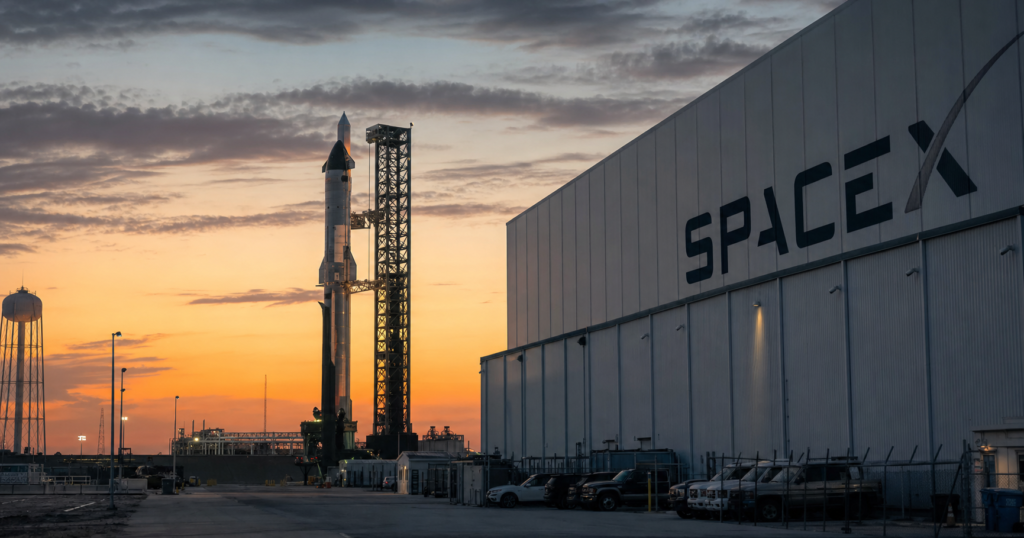
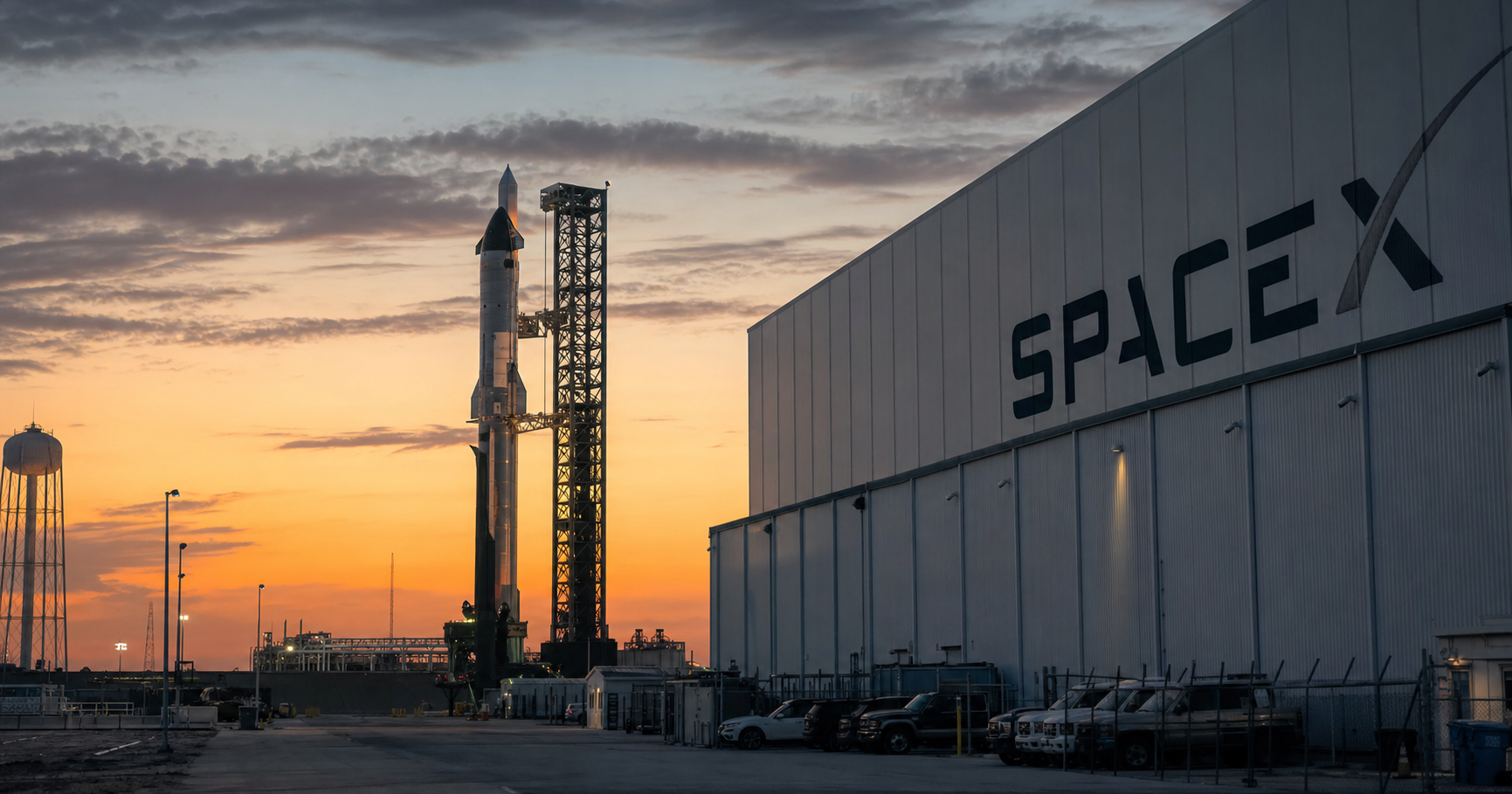
One analyst put it plainly in a Fortune profile: “burning $1 to make 90 cents isn’t a business.” Cursor was buying its own growth by reselling inference from model providers — Anthropic, OpenAI — at a spread that didn’t work. The faster it grew, the deeper the hole. A $50 billion fundraise wouldn’t have fixed it. So on June 16, 2026, SpaceX exercised an option to acquire Cursor’s parent company Anysphere for $60 billion in stock — the largest acquisition of a venture-backed startup ever recorded.
That’s the deal. But the deal is less interesting than what it reveals about where AI tooling is actually headed.
What Cursor actually built
Four MIT students founded Anysphere in 2022. By May 2026, Cursor had 1 million paying customers, 50,000-plus enterprise teams, and 64% Fortune 500 penetration — without a traditional enterprise sales team for most of that run. Enterprise revenue accounts for roughly 60% of ARR. That’s approximately $2.6 billion coming from B2B customers.
The product roadmap tells the velocity story better than any revenue chart. Composer launched in November 2025. Cursor 2.0 followed with up to eight parallel agents. Cursor 3 arrived in April 2026 with multi-repo support and mobile triggers. Composer 2.5 extended long-horizon agent tasks in May. Organizations — company-wide spend controls and model governance — shipped in June, weeks before the acquisition closed.
More than 30% of the pull requests Cursor merges internally are now written by agents running in cloud sandboxes. That figure, more than any benchmark score, signals what the product is becoming: not an autocomplete tool, but an autonomous engineering layer.
The benchmark debate — and why it’s the wrong argument
GitHub Copilot leads Cursor on SWE-bench Verified: 56.0% to 51.7%. That 4.3-point gap is real. But hands-on testing from Tech Insider adds context worth keeping: Cursor completes benchmark tasks roughly 30% faster on average. For mid-size refactors, Cursor’s Composer with Opus 4.7 finishes in 3–7 minutes. Copilot’s Coding Agent runs 4–9 minutes for the same work.
So Copilot edges ahead on first-pass accuracy. Cursor leads on throughput. Which metric matters depends entirely on how your team actually works — and in most engineering environments, iteration velocity beats first-pass perfection.
Meanwhile, Copilot leads on raw paid users by roughly 3.7 million. Cursor leads on Fortune 500 reach by about 30 companies. Cursor costs 2x more at the Pro tier ($20 vs $10/month). Neither tool has won. The race is genuinely open — which is exactly why the compute question matters so much.
Why SpaceX — and why now
SpaceX’s AI segment — built around xAI, which merged with SpaceX in February 2026 — reported an operating loss of $6.36 billion in 2025. Grok is a consumer product. Cursor is a workflow that 1 million engineers trust for daily work. That’s a different kind of asset: proprietary coding training data, enterprise contracts, and a path to positive gross margins on inference — if you own the compute.
Colossus, xAI’s supercomputer, is described as equivalent to 1 million H100 GPUs. Cursor’s margin problem was paying Anthropic and OpenAI for every inference call. With Colossus, that cost structure changes. Joint model training on proprietary data, at scale, is the bet that Cursor can rebuild the market-share gap it’s been losing to Claude Code since mid-2025.
Distribution is the second lever. SpaceX’s $2.5 trillion market cap, Musk’s reach across X, Tesla, and Starlink — no other AI coding tool has a distribution channel that looks remotely like that. Google invested in Cursor’s Series D. Microsoft examined an acquisition. AWS now faces a competitor backed by one of the world’s most valuable companies. The competitive map shifted on June 16.
What this means for your engineering team
Three practical implications, stated plainly:
- The trust gap is the real risk. Industry data shows 51% of developers use AI tools daily — but only 29% trust the output. That gap is where subtle bugs and false-positive code reviews live. A 39% PR throughput gain means nothing if your 81% code survival rate is masking the 19% that slips through. Measure both.
- Vendor concentration just got more complicated. Teams deeply embedded in Cursor now have exposure to SpaceX’s strategic priorities, xAI’s model roadmap, and an all-stock deal that hasn’t closed yet. That’s not a reason to leave — it’s a reason to document your switching costs honestly before Q3.
- The agent shift is not a future-state conversation. Cursor 3’s agent-first workspace, multi-repo support, and the internal 30%-of-PRs-from-agents figure suggest the tooling is already ahead of most teams’ workflows. In our experience, the organizations that fall behind on this typically aren’t waiting for better tools — they’re waiting for internal permission to use the ones they already have.
The $60 billion headline is a distraction. The useful number is 26% — Cursor’s May 2026 market share, down from 41% a year earlier, even as ARR was climbing toward $4 billion. That’s the tension the acquisition was designed to resolve. Whether it does depends on compute economics and model quality that won’t be visible for another 12–18 months.
One action: Pull your team’s actual AI tool spend from your corporate card data — not surveys, not self-reported usage. Map it against where your PRs are surviving and where they’re not. That single audit will tell you more about your real AI ROI than any benchmark comparison.
@Eagentix helps growth-focused enterprises transform manual, time-consuming business processes into fast, dependable automated operations. By combining executive strategy with tailored smart automation, we empower companies across Southeast Asia to scale productivity, ensure regulatory compliance, and reduce operational costs by up to 70%.