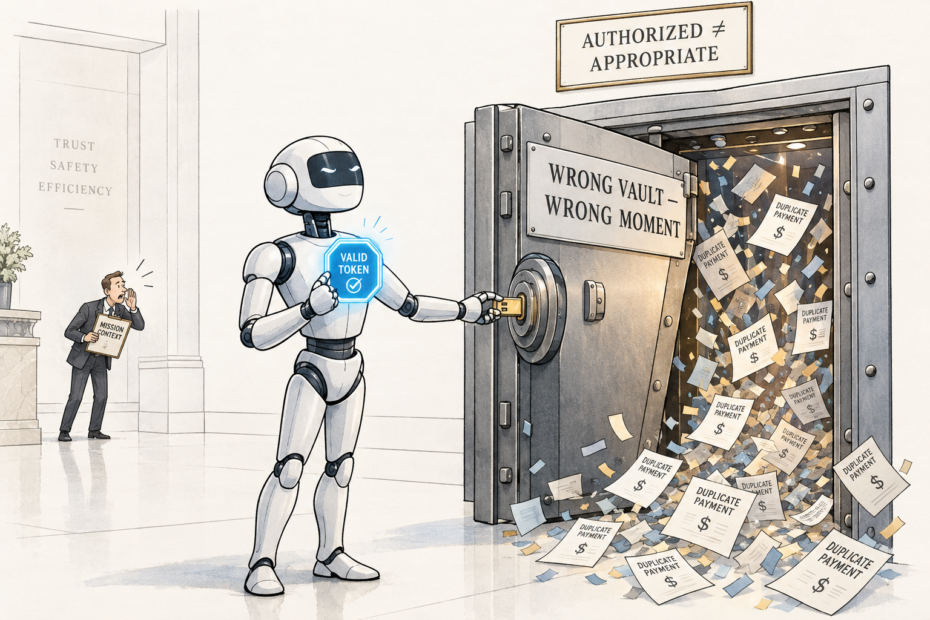
Intent-Based Auth: Why Agent Permissions Need a Mission
OAuth scopes were built for deterministic software. At AI Engineer NYC 2026, Keycard, AAuth, and JPMC explain why agents need mission-based…
OAuth scopes were built for deterministic software. At AI Engineer NYC 2026, Keycard, AAuth, and JPMC explain why agents need mission-based…
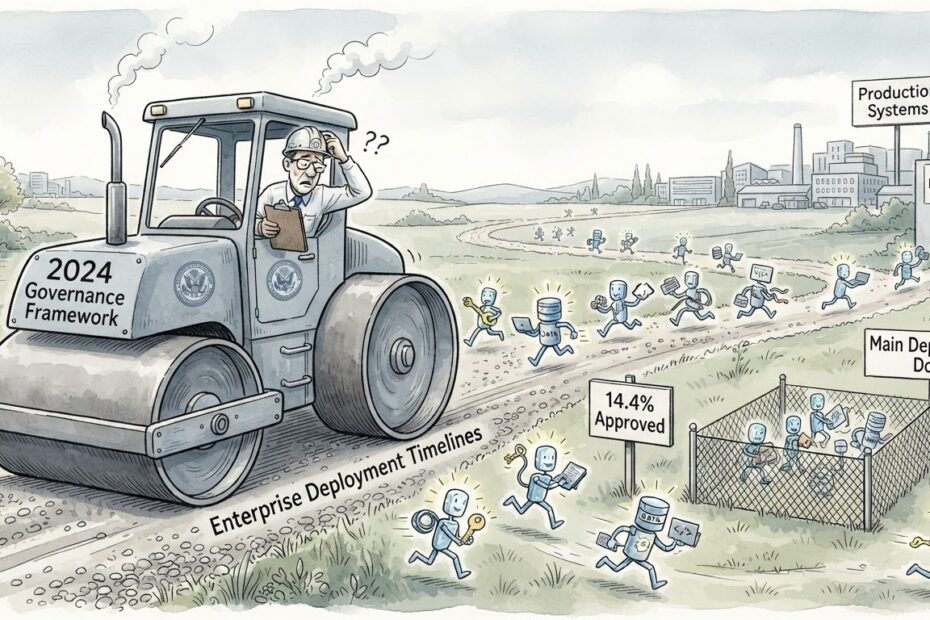
Only 14.4% of AI agents launch with full security approval. Gartner projects 80% of unauthorised agent transactions through 2028 will stem from internal…

Meta’s Muse zero-day shows why an AI agent’s broad permissions are its biggest security liability — and what operators must audit now.
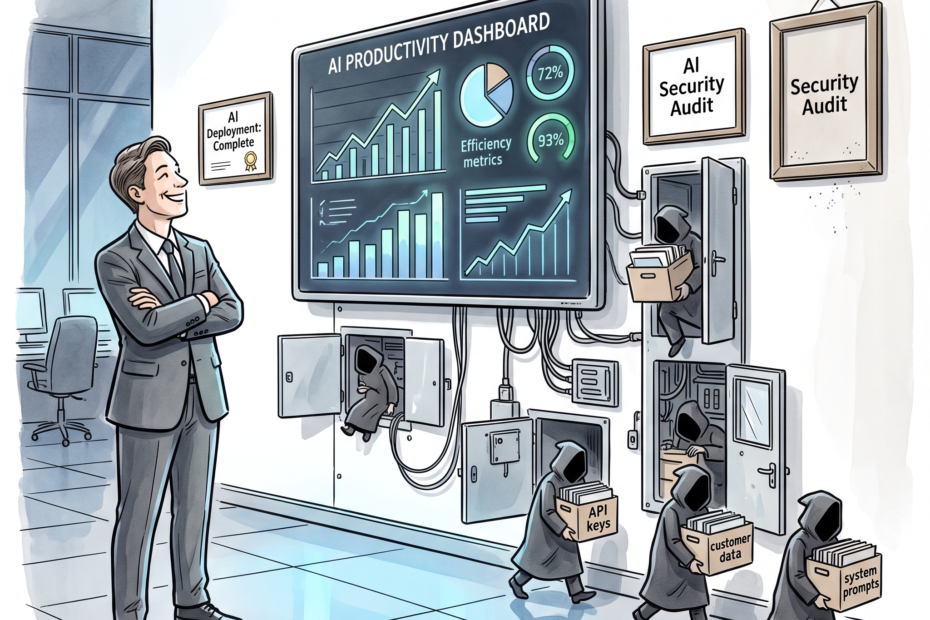
31 of 36 LLM apps tested were vulnerable to prompt injection. Here is what security and engineering leaders need to audit in their AI stack now.

Meta Muse has strong security architecture. The harder question is whether Meta’s institutional track record earns the trust the product now requires.
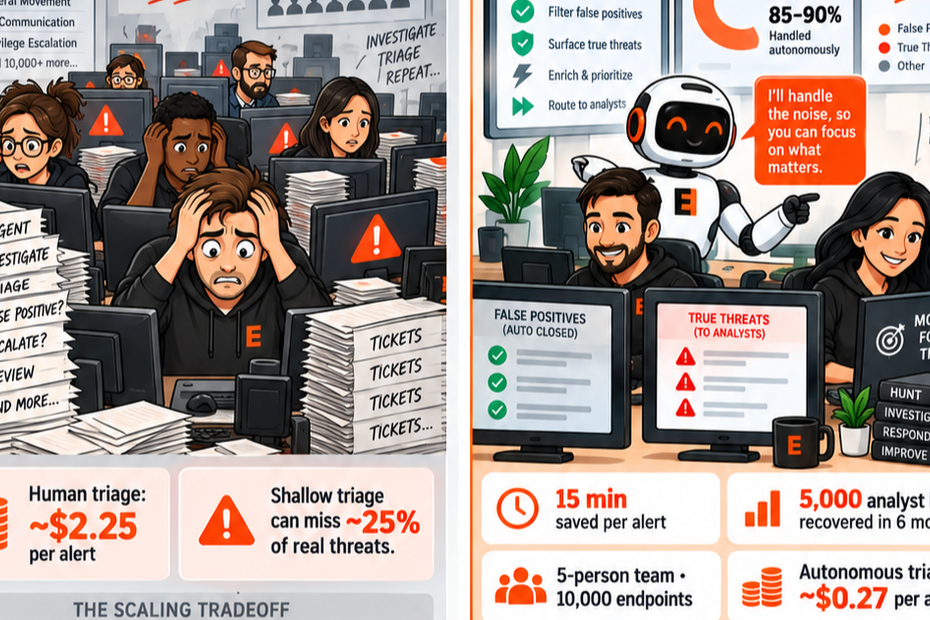
Traditional SOC vs AI-powered SOC compared on five criteria — detection method, workload, cost trajectory, and deployment — with a situation-specific…

Palo Alto CEO Nikesh Arora says $1T in enterprise security infrastructure isn’t AI-ready. Here’s what that means for your stack and budget.

Your SIEM has enough telemetry to detect 90% of ATT&CK techniques — but only covers 21% of them. This issue breaks down why alert-first security operations fail small teams structurally, and how a hunt-first agentic model closes the gap without adding headcount.